Product Overview
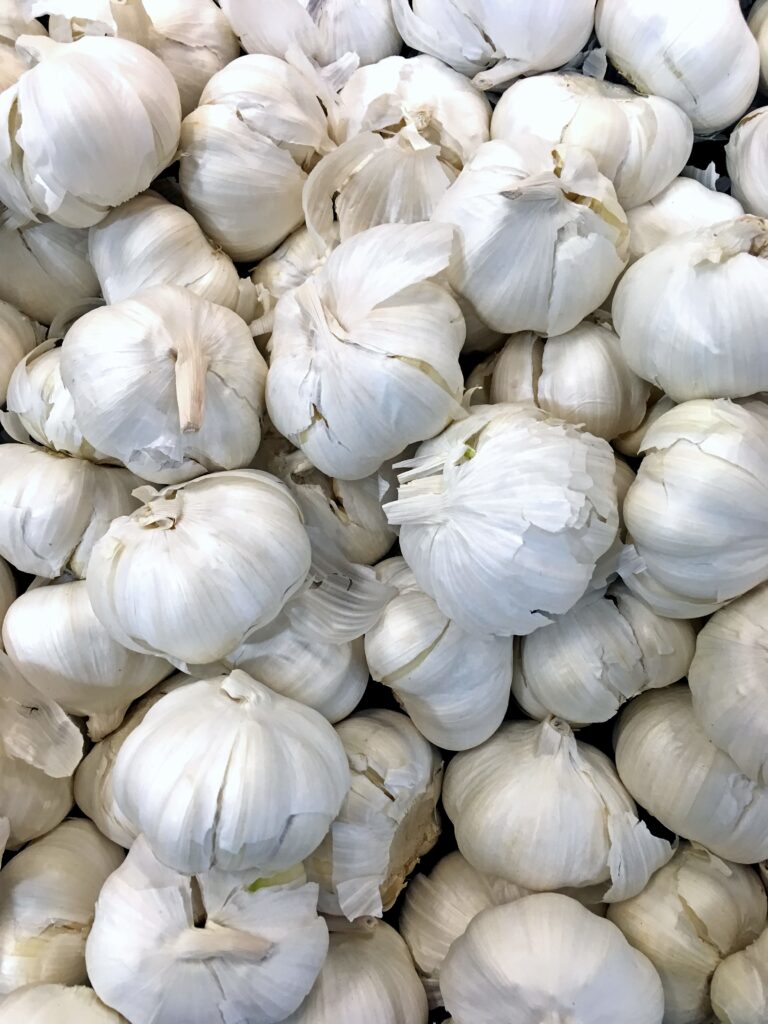
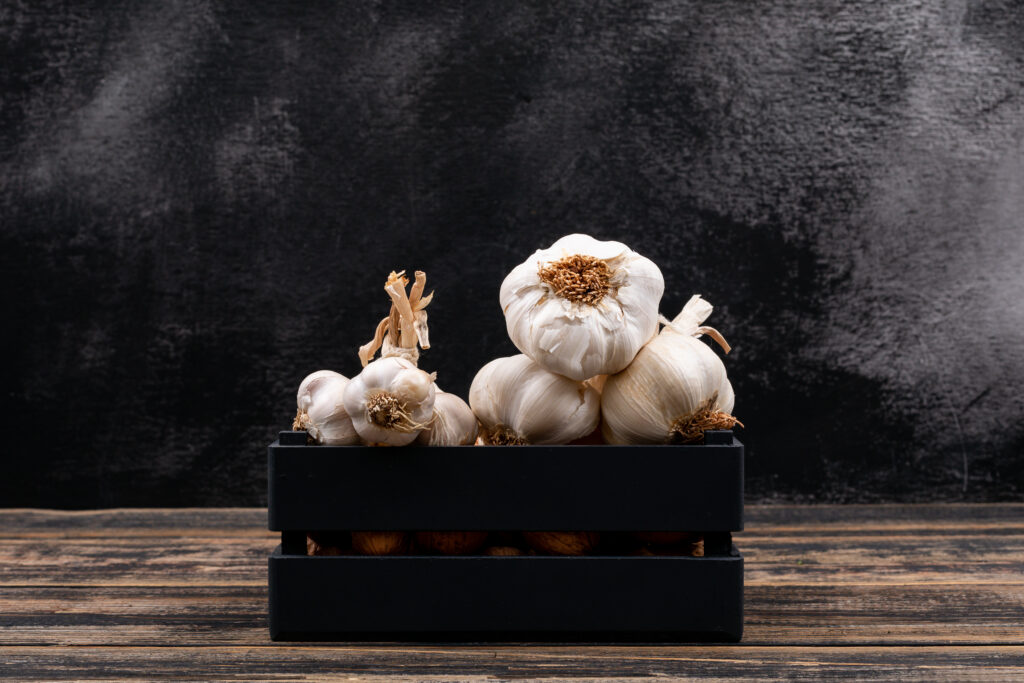
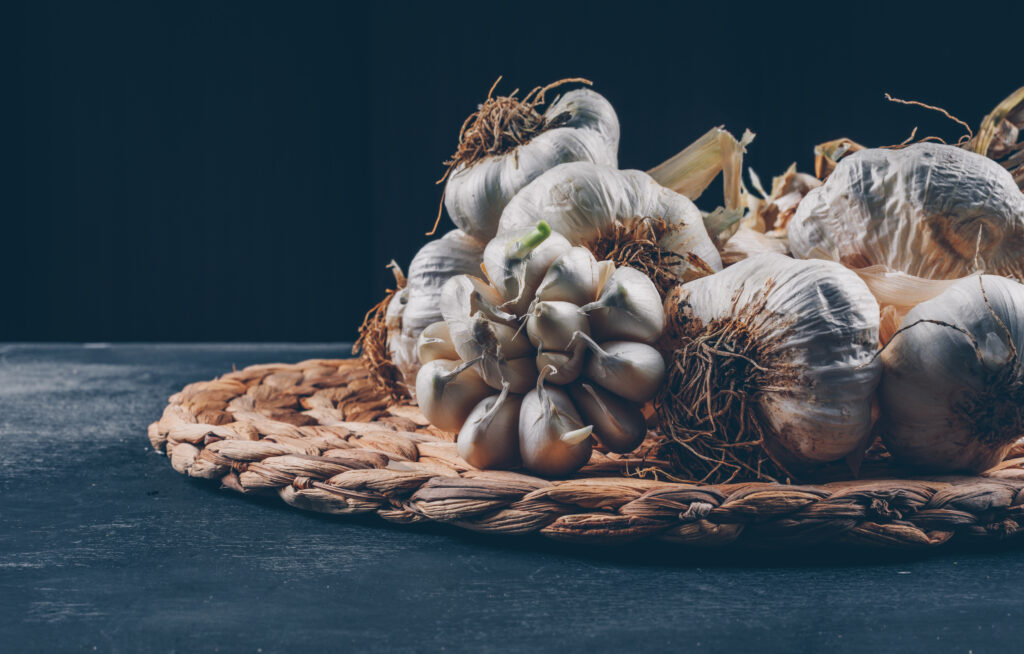
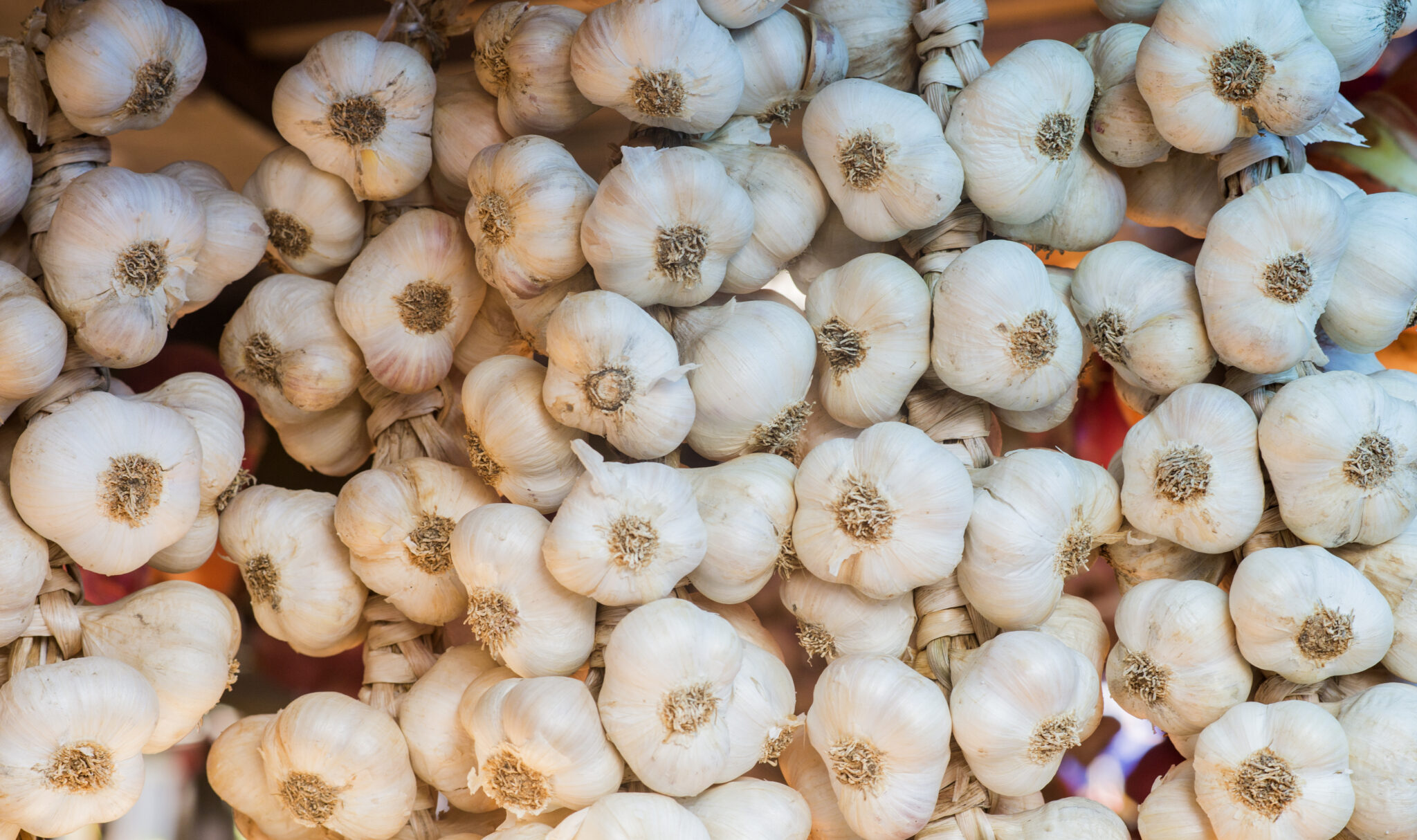
We export fresh, high-quality garlic in whole bulbs or peeled cloves as per buyer requirements. Every batch is inspected, graded, and tested for pesticide residues (MRL compliance) to meet importing country regulations. Phytosanitary certificates and Certificates of Origin are available for all shipments.
Quick Facts
Scientific Name: Allium sativum
HS Code (Fresh Garlic): 0703.20 / 07032010 (verify per destination/importer)
Typical Export Pack Sizes: 5 kg, 10 kg, 20 kg mesh/leno bags; 10–20 kg ventilated cartons
Specifications / Technical Sheet
| Varieties | White, Pink, and Local Indian Varieties |
| Grade Options | A (Export/Fancy) B (Standard), Processing grade |
| Size (Diameter) | Small (30–40 mm), Medium (40–50 mm), Large (50–60 mm) |
| Maximum Defects | As per international grade standards (Codex / UNECE) |
| Storage | Moisture Dry outer skin, moisture-controlled handling; best refrigerated 0–2°C for long-haul |
Packaging Options
10 kg mesh/leno sack: Ventilated, ideal for sea shipments
10 kg corrugated ventilated carton: Retail-ready; internal polyethylene liner optional
Palletization: Shrink-wrapped pallets: fumigation/treatment available if required by importing country
Labelling
Each package includes: Exporter name & address, Net & Gross weight, Count/Size, Batch/LOT number, Country of Origin, HS code, Handling instructions, and Phytosanitary mark (if available).
Required Export Documents (Checklist for Buyers)
Commercial Invoice (Exporter details, HS code)
Packing List (Package-wise weight & dimensions)
Bill of Lading / Airway Bill
Phytosanitary Certificate (Plant Quarantine authority)
Certificate of Origin (Chamber of Commerce)
FSSAI Export Clearance (if required by buyer)
Insurance Certificate (if requested)
Buyer-specific certificates (MRL test reports, fumigation certificates)
Quality Assurance & Testing
Our QA Process: Field sampling → Cold-storage handling → Sorting & grading in pack-house → MRL and pesticide residue testing → Pre-shipment inspection → Phytosanitary certification.
Storage & Shelf Life
Refrigerated shelf life: 8–12 weeks under controlled conditions
Ambient shelf life: 4–8 weeks (depends on variety and handling)
Handling pipeline: Harvest → Curing → Staging → Cool storage → Shipment
Compliance & International Standards
We follow UNECE and Codex quality requirements for export-grade onions, ensuring compliance with EU, US, MEA, and ASEAN import regulations. Buyer-specific requirements for fumigation or residue limits can be arranged.
FAQ
Minimum order quantity? Container (~18–20 MT sea reefer / 20–24 MT bulk) or negotiable for air cargo.
Can you supply samples? Yes, commercial sample arrangements are possible (buyer pays freight).
Payment terms? LC at sight / TT advance / Open account (depending on buyer relationship).
References / Sources
APEDA — Fresh Onions overview & pack-house guidelines
HS / HSN references — HS Code 0703.10 / 07031010
UNECE Onion Standard (Quality requirements)
Codex / FAO standards (Defect tolerances)
Export documents & checklist guidelines (industry resources)